In a world that often feels as chaotic as a bustling city street, meditation has emerged as a sanctuary of calm, promising serenity and focus amidst the noise. Its benefits, from reducing stress to enhancing emotional well-being, are widely touted and increasingly sought after. Yet, as meditation weaves its way into mainstream culture, a pivotal question arises: should this ancient practice be taught exclusively by certified professionals? This inquiry opens a dialogue at the intersection of tradition and modernity, inviting us to explore the implications of certification in a practice that has, for centuries, been passed down through more informal, yet deeply personal, means. As we delve into this topic, we aim to unravel the complexities surrounding the teaching of meditation, examining both the potential benefits and drawbacks of professional certification in guiding others along their introspective journeys.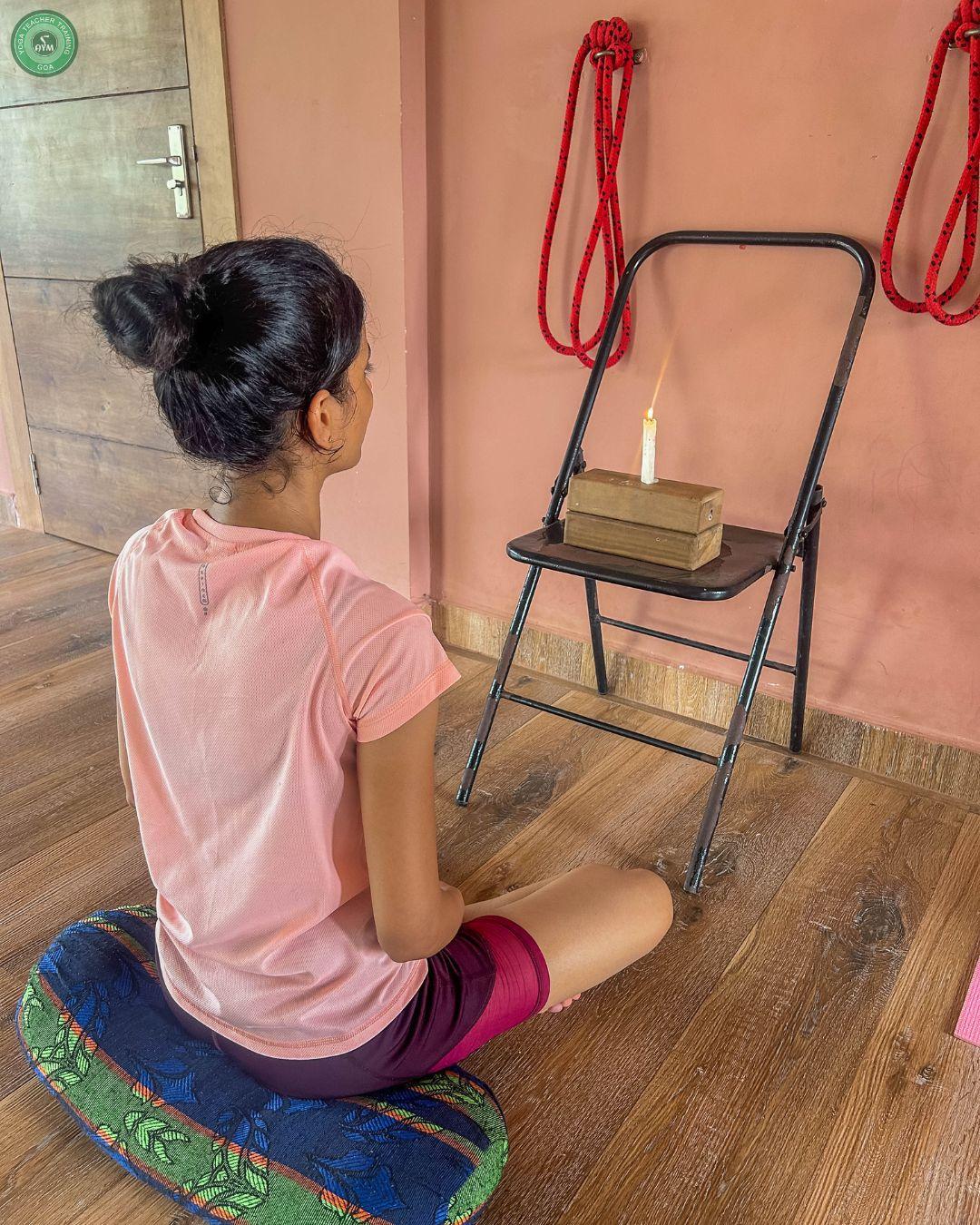
Exploring the Benefits and Risks of Professional Certification in Meditation
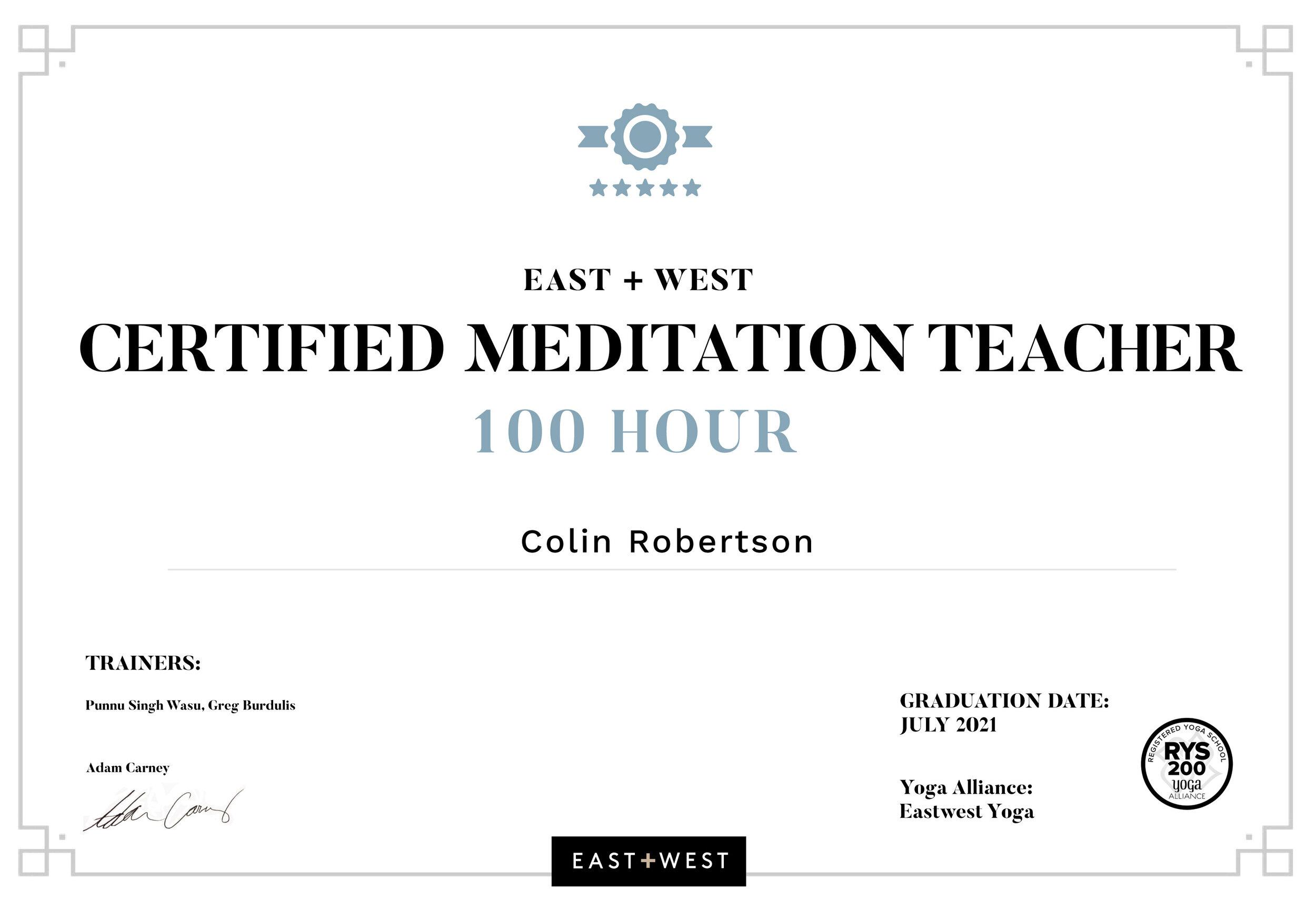
The journey towards becoming a certified professional in meditation can offer numerous advantages. Certification provides a structured framework for learning, ensuring that instructors have a deep understanding of both traditional practices and modern adaptations. This formal training can instill confidence in students, knowing that their teacher has met certain standards and possesses the necessary skills to guide them safely through their practice. Moreover, certified professionals often have access to a community of peers and continuous educational opportunities, which helps them stay updated on the latest research and methodologies.
However, it’s important to consider the potential risks associated with relying solely on certification. The authenticity of spiritual practice can sometimes be diluted by the commercialization and standardization that certification programs might bring. Additionally, the cost and time commitment required to become certified may deter some passionate and naturally gifted teachers from sharing their knowledge. There’s also the concern that certification might inadvertently prioritize a one-size-fits-all approach, which could overlook the unique, individualized nature of meditation practices. Ultimately, the decision to learn from a certified professional should be weighed against these factors, keeping in mind the diversity and richness of meditation traditions.
Understanding the Role of Expertise in Meditation Instruction
In the realm of meditation instruction, the significance of expertise cannot be overstated. A certified professional brings a wealth of knowledge that is often rooted in both traditional practices and contemporary psychological insights. This dual understanding allows them to cater to a diverse range of needs and adapt practices to fit individual circumstances. Certified instructors often possess a deep understanding of the mind-body connection, which enables them to guide practitioners through intricate techniques safely and effectively. Furthermore, they are equipped to recognize and address any potential emotional or psychological challenges that may arise during meditation practice.
- Depth of Knowledge: Certified professionals have often undergone rigorous training that encompasses a variety of meditation styles and philosophies.
- Safety and Guidance: Expertise ensures that meditation practices are conducted safely, minimizing risks and enhancing the overall experience.
- Personalized Approach: A skilled instructor can tailor sessions to meet the specific needs of individuals, enhancing the effectiveness of the practice.
- Credibility and Trust: Certification often serves as a mark of credibility, instilling confidence in students about the quality and authenticity of the instruction.
While self-taught meditation can be valuable, the structured guidance of a professional can often elevate the experience, offering deeper insights and more profound personal growth. Whether it’s through structured classes or personalized one-on-one sessions, certified meditation instructors play a pivotal role in nurturing and expanding one’s meditative journey.
Balancing Tradition and Modern Standards in Meditation Education
In the serene world of meditation, the interplay between age-old traditions and contemporary standards poses a compelling question: who is best equipped to guide others on this journey? On one hand, the rich tapestry of ancient wisdom offers a profound depth that is often passed down through generations of practitioners. These traditional methods emphasize the essence of personal experience, intuition, and the deeply rooted spiritual insights that have been honed over centuries. On the other hand, modern standards advocate for a structured approach, with certification processes ensuring that instructors have undergone rigorous training and adhere to a specific code of ethics. This approach aims to provide consistency and a level of assurance in the quality of education.
The debate often centers around several key points, including:
- The value of personal lineage versus standardized training.
- The importance of cultural sensitivity and awareness in teaching practices.
- Balancing the flexibility of intuitive guidance with the reliability of certified methods.
Ultimately, the choice may not be about selecting one over the other but rather finding a harmonious blend that respects the sanctity of tradition while embracing the clarity of modern professionalism. This balance could enrich the practice of meditation, ensuring it remains both authentic and accessible to a diverse audience.
Recommendations for Implementing Certification in Meditation Teaching
To establish a standard for teaching meditation, it’s crucial to consider a structured certification program. Such a program could include a comprehensive curriculum that covers various meditation techniques, the science behind meditation, and ethical considerations. Training hours and practical assessments should be mandatory components to ensure that instructors are well-prepared to guide others.
- Develop Core Competencies: Identify essential skills and knowledge areas that all certified instructors should possess.
- Incorporate Ongoing Education: Encourage instructors to engage in continuous learning to stay updated with new practices and research findings.
- Set Ethical Guidelines: Establish clear ethical standards to maintain professionalism and trust between instructors and students.
Collaboration with experienced meditation practitioners and educational institutions can enhance the credibility and acceptance of the certification. By integrating feedback from various stakeholders, the certification can be tailored to meet the needs of diverse communities and cultural contexts.
In Summary
As we close this exploration into whether meditation should be taught by certified professionals, we find ourselves at the intersection of tradition and modernity, where ancient practices meet contemporary standards. The question remains a delicate balance between accessibility and expertise, between personal journey and guided instruction. As meditation continues to weave its way into the fabric of our daily lives, the conversation around its teaching evolves, inviting diverse perspectives and fostering a deeper understanding of what it means to truly guide someone on their path to mindfulness. Whether through the wisdom of a seasoned practitioner or the structured guidance of a certified professional, the ultimate goal remains the same: to cultivate a space where the mind can find peace, and the spirit, solace. As we continue to meditate on this topic, may we find clarity in our intentions and harmony in our choices.