In a world that seems to spin faster with each passing day, the quest for balance has never been more urgent. Enter meditation, an ancient practice that promises to calm the chaos and restore inner peace. But as meditation studios pop up in bustling cities and mindfulness apps dominate our smartphones, one can’t help but wonder: is meditation for life balance a genuine remedy for modern stress, or just the latest trend in a long line of wellness fads? This article delves into the heart of meditation’s resurgence, exploring whether its rise is rooted in timeless wisdom or simply the zeitgeist of our times. Join us as we unravel the threads of this contemplative practice and examine its place in the tapestry of contemporary life. Meditation“>
Exploring the Ancient Roots and Modern Appeal of Meditation
In a world where the hustle and bustle often overshadows moments of stillness, meditation offers a sanctuary that is both timeless and contemporary. Originating from ancient practices, meditation has been a cornerstone in spiritual and philosophical traditions across cultures. Its roots can be traced back to Hinduism, Buddhism, and even the early Christian mystics, each embracing meditation as a path to inner peace and enlightenment. Despite its ancient origins, meditation has seamlessly woven itself into the fabric of modern life, evolving to address contemporary needs such as stress reduction, mental clarity, and emotional balance.
- Mindfulness Meditation: Focuses on staying present and aware of your thoughts and surroundings.
- Transcendental Meditation: Involves the use of a mantra to settle the mind into a state of profound rest.
- Guided Meditation: Offers a narrative or visualization led by a guide to help you achieve a relaxed state.
These modern adaptations, often complemented by scientific studies, have amplified meditation’s appeal beyond spiritual seekers to a wider audience, including corporate professionals and students. As we navigate the complexities of contemporary life, meditation stands as a bridge between the ancient and the modern, offering a practice that is as relevant today as it was centuries ago.
The Science Behind Meditations Role in Achieving Life Balance
In the quest for achieving a harmonious existence, meditation emerges not merely as a fleeting trend but as a scientifically-backed practice offering profound benefits. Research indicates that meditation can significantly alter brain structure and function, contributing to enhanced emotional regulation, reduced stress levels, and improved focus. By engaging in regular meditation, individuals can cultivate a state of mindfulness, which helps in balancing the myriad demands of modern life. This practice encourages a shift from reactive to proactive thinking, allowing individuals to navigate life’s challenges with greater ease and clarity.
- Neuroplasticity: Meditation promotes the brain’s ability to reorganize itself by forming new neural connections, fostering a more adaptable mindset.
- Stress Reduction: Through meditation, the body’s stress response is mitigated, reducing the production of cortisol and enhancing overall well-being.
- Emotional Balance: Regular practice helps in regulating emotions, decreasing the intensity of negative feelings, and promoting a sense of inner peace.
- Enhanced Focus: Meditation improves concentration and attention span, essential components for maintaining balance in a fast-paced world.
By understanding the science behind meditation, individuals can better appreciate its role in fostering a balanced lifestyle, moving beyond the notion of it being just another passing trend.
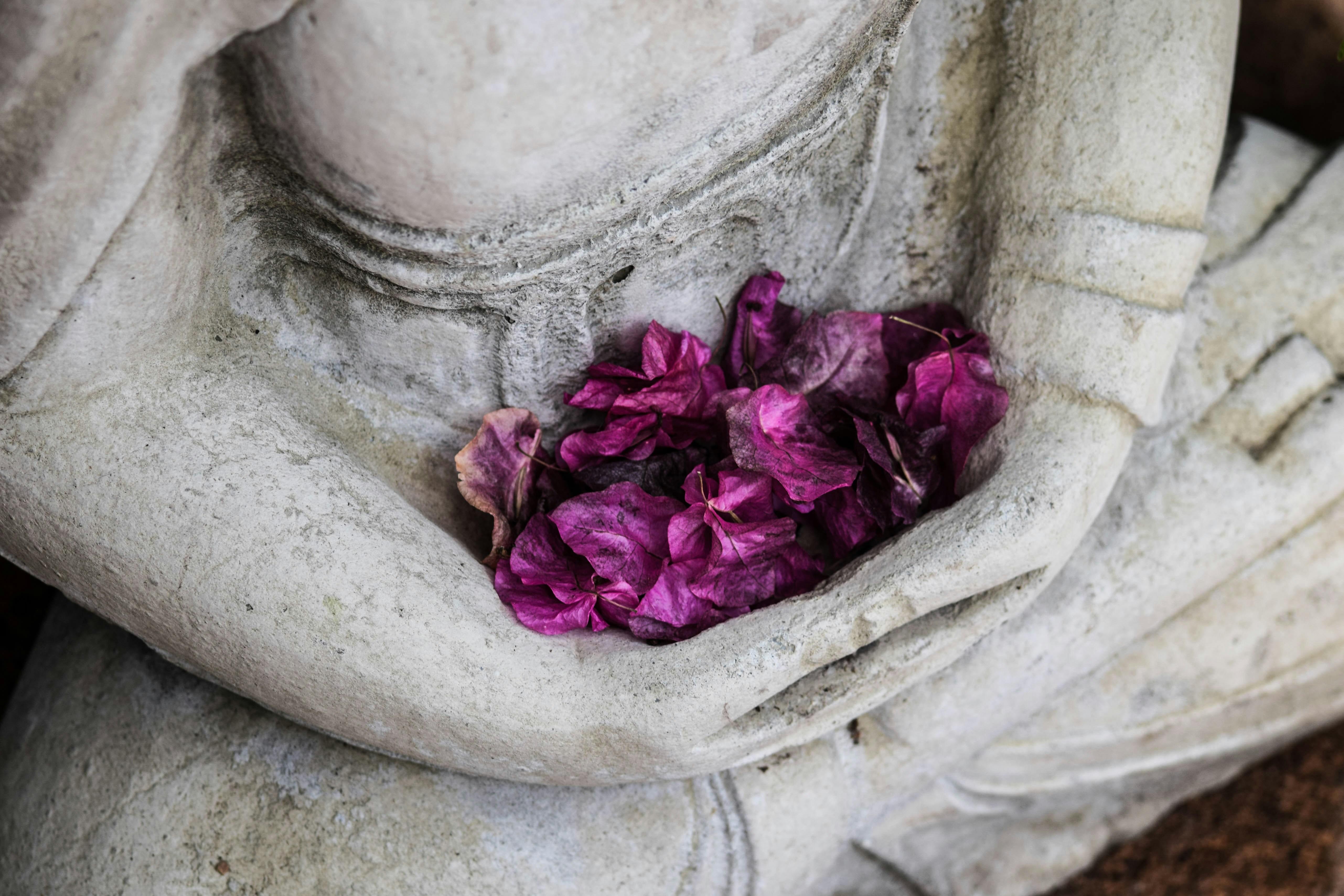
Integrating Meditation into Daily Routines for Lasting Impact
Embracing meditation as part of your daily routine doesn’t have to be a monumental task. Instead, it can be seamlessly woven into the fabric of your everyday life, enhancing both mental clarity and emotional resilience. Consider starting with small, manageable practices that fit naturally into your schedule. For instance:
- Begin your morning with a brief, five-minute mindfulness session to set a positive tone for the day.
- Incorporate deep-breathing exercises during your lunch break to reset and refocus.
- Wind down in the evening with a guided meditation to promote restful sleep.
By integrating these practices into existing habits, such as morning coffee or evening relaxation, meditation becomes a sustainable part of life rather than a fleeting trend. The key is consistency—over time, these small moments of mindfulness can lead to profound changes in your overall well-being, fostering a deeper sense of balance and tranquility.
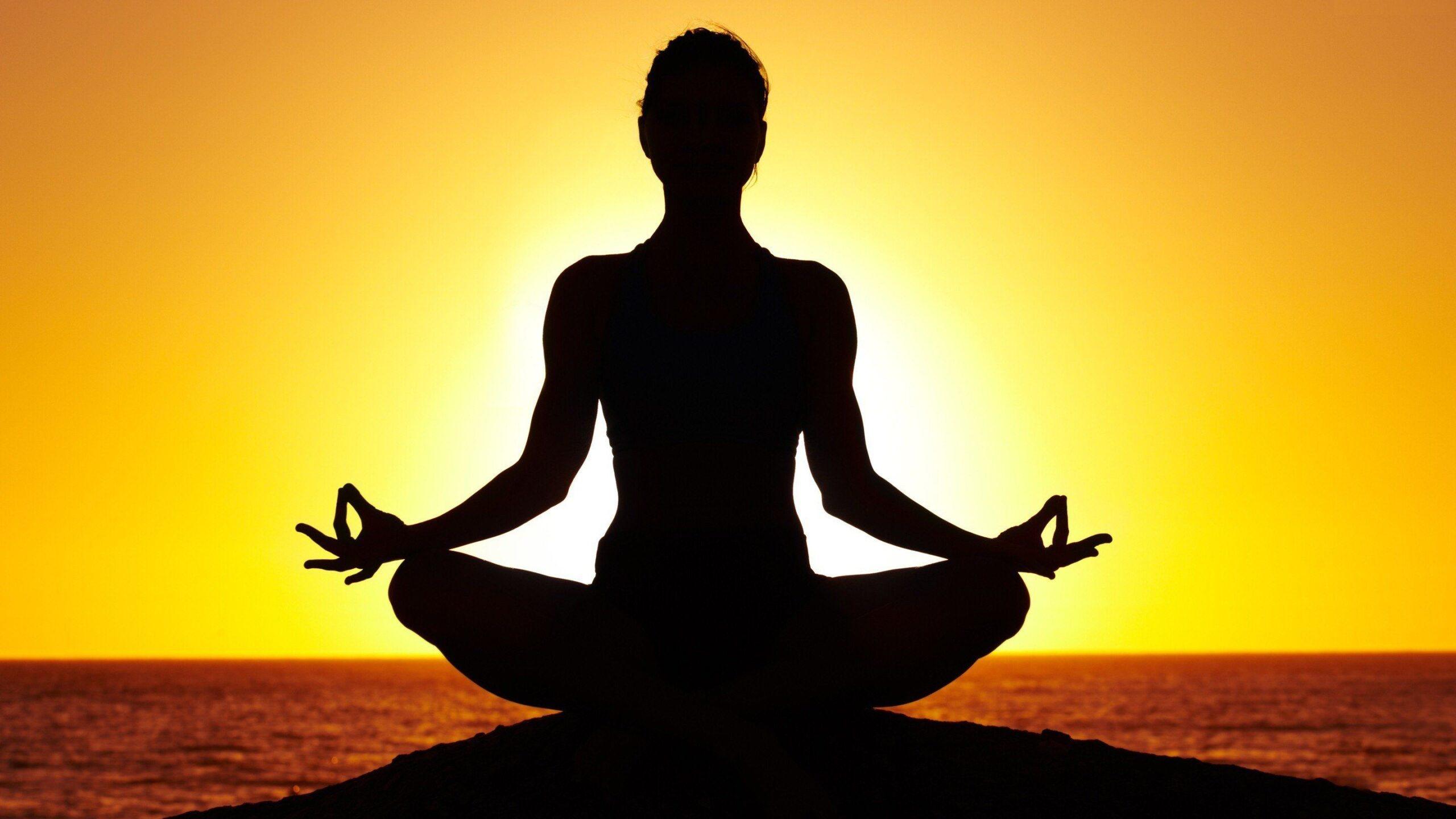
Expert Tips on Sustaining a Mindful Practice
Embracing a mindful practice can transform daily life, but sustaining it requires intention and effort. Here are some expert strategies to help maintain your practice:
- Set a Routine: Consistency is key. Allocate a specific time each day for your practice, whether it’s morning, midday, or evening. This regularity helps in forming a habit that becomes second nature.
- Create a Dedicated Space: Establishing a serene and inviting environment can enhance your focus. This doesn’t have to be elaborate—simply a quiet corner with a cushion or chair can suffice.
- Be Patient with Yourself: It’s natural to face challenges along the way. Instead of striving for perfection, aim for progress. Allow yourself the grace to have off days without judgment.
- Incorporate Variety: Explore different meditation techniques to keep your practice engaging. From guided meditations to silent sittings, variety can prevent monotony and deepen your experience.
- Reflect on Your Journey: Regularly take time to journal or contemplate how your practice impacts your life. This reflection can offer insights and motivation to continue.
By integrating these tips into your routine, you can nurture a mindful practice that supports balance and well-being, far beyond the confines of fleeting trends.
Insights and Conclusions
As we draw the curtain on our exploration of meditation’s place in the tapestry of life balance, we find ourselves at the crossroads of tradition and modernity. Meditation, with its roots deeply embedded in ancient practices, offers a serene sanctuary amidst the clamor of contemporary life. Yet, whether it stands as a fleeting trend or an enduring pillar of well-being is a narrative still being written by each of us.
The allure of meditation may indeed capture the zeitgeist, but its true value lies in the quiet moments it offers, inviting us to pause, breathe, and reflect. As we journey forward, let us remain curious and open-minded, embracing the possibility that meditation, whether trend or timeless practice, might just be the key to unlocking a more balanced existence. the decision rests with us—whether to let it drift away with the tides of time or to anchor it firmly within the rhythms of our daily lives.