In a world that spins ever faster, where the cacophony of daily life often drowns out the whispers of our inner selves, a quiet revolution is unfolding. Mindfulness, with its roots in ancient traditions, has surged into the modern consciousness as a beacon of calm and clarity. But as its popularity grows, a provocative question emerges: Can these simple yet profound techniques truly stand in for the nuanced guidance of traditional therapy? This article delves into the heart of this debate, exploring the potential of mindfulness to heal and transform, while weighing its limitations against the backdrop of therapeutic intervention. In this intersection of ancient wisdom and contemporary practice, we seek to uncover whether mindfulness can indeed bridge the gap to emotional well-being or if it remains but a piece of a larger puzzle.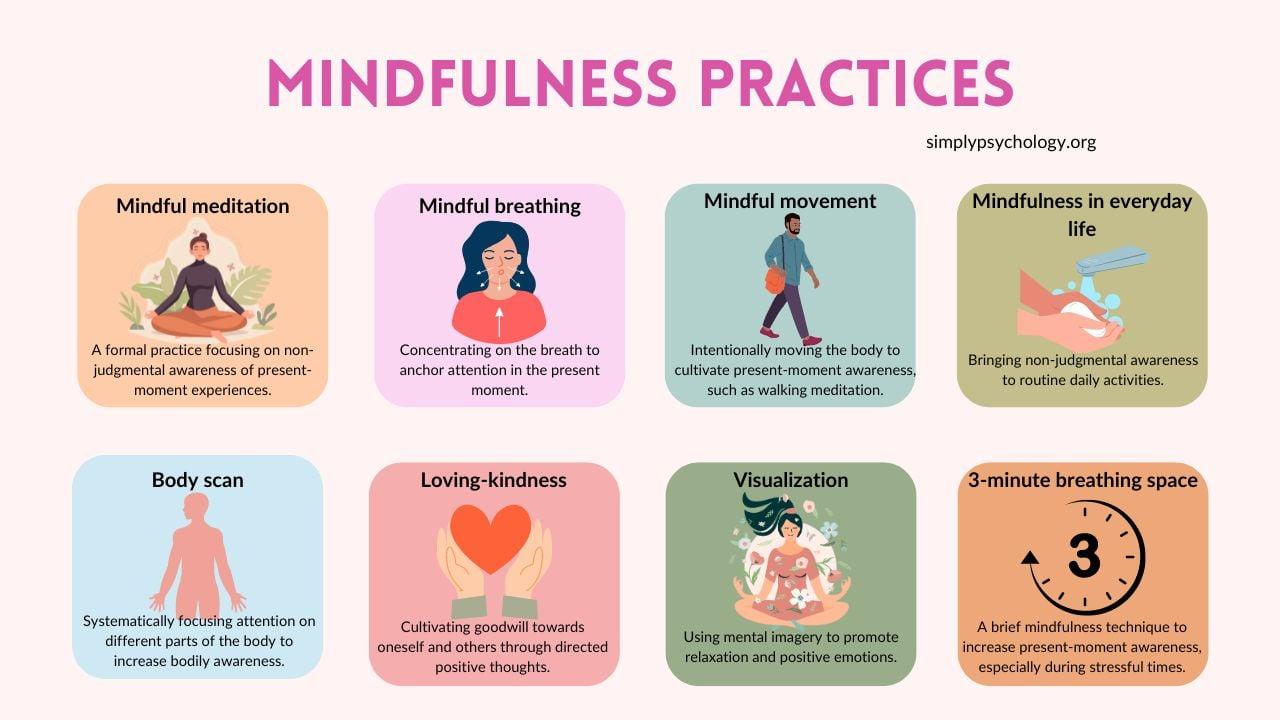
Exploring the Intersection of Mindfulness and Traditional Therapy
In recent years, mindfulness has emerged as a powerful tool for enhancing mental well-being. But can it truly stand in for traditional therapy? At its core, mindfulness is about cultivating awareness and living in the present moment, which can be beneficial in managing stress and anxiety. Yet, traditional therapy offers structured guidance through a trained professional, addressing deep-seated emotional issues and providing a framework for personal growth.
- Mindfulness Benefits: Reduces stress, improves focus, enhances emotional regulation.
- Therapy Advantages: Offers personalized strategies, addresses trauma, provides professional support.
While mindfulness techniques can complement therapy by promoting relaxation and self-awareness, they might not be sufficient for everyone, especially those dealing with complex psychological challenges. Integrating both practices could potentially lead to a more holistic approach to mental health, balancing self-guided mindfulness exercises with the insights and accountability provided by therapy.
Understanding the Benefits and Limitations of Mindfulness Practices
Mindfulness practices have become increasingly popular, praised for their ability to foster a sense of calm and presence. They offer a variety of benefits, including improved emotional regulation, increased focus, and a greater sense of well-being. These practices encourage individuals to observe their thoughts and feelings without judgment, which can lead to a deeper understanding of oneself. However, while mindfulness can be an effective tool for managing everyday stress, it may not address the complexities of underlying mental health conditions that require professional intervention.
- Benefits:
- Enhances self-awareness and emotional resilience
- Reduces stress and anxiety levels
- Improves concentration and cognitive flexibility
- Limitations:
- May not resolve deep-seated psychological issues
- Effectiveness can vary based on individual needs
- Requires consistent practice and dedication
While mindfulness can complement therapy, it is not a universal substitute. For those dealing with trauma, severe anxiety, or depression, therapy provides a structured environment with professional guidance that mindfulness alone may not offer. It’s crucial to recognize when the depth and expertise of a therapist are needed to navigate the complexities of mental health.

When to Choose Therapy Over Mindfulness Techniques
Mindfulness techniques, such as meditation and deep-breathing exercises, offer numerous benefits for enhancing self-awareness and reducing stress. However, there are times when these practices may not suffice, and professional therapy becomes a more suitable option. Consider opting for therapy when:
- Persistent Emotional Distress: If feelings of anxiety, depression, or anger are ongoing and disrupt daily life, therapy can provide targeted strategies and support that mindfulness alone may not address.
- Complex Personal Issues: Situations involving trauma, grief, or relationship problems often require the nuanced understanding and guidance of a trained therapist to navigate effectively.
- Lack of Progress: If despite regular mindfulness practice, there is no noticeable improvement in emotional or mental well-being, a therapist can offer a different perspective and alternative techniques.
- Need for a Safe Space: Therapy offers a confidential and non-judgmental environment to explore deep-seated issues, which may be challenging to address through self-guided mindfulness practices alone.
Ultimately, the choice between mindfulness techniques and therapy is personal and may evolve over time. It’s essential to recognize when additional support is needed to achieve holistic well-being.

Integrating Mindfulness into Therapeutic Practices for Enhanced Well-being
Incorporating mindfulness into therapeutic practices offers a powerful synergy that can greatly enhance individual well-being. Mindfulness, with its roots in ancient meditative practices, emphasizes living in the present moment and cultivating a non-judgmental awareness of one’s thoughts and emotions. This approach can complement traditional therapy by providing clients with tools to manage stress and anxiety more effectively. By focusing on the present, individuals often find themselves less entangled in past regrets or future worries, fostering a greater sense of calm and balance.
- Increased Self-awareness: Mindfulness encourages individuals to observe their thoughts and feelings without immediate reaction, leading to a deeper understanding of their own mental processes.
- Improved Emotional Regulation: Regular mindfulness practice can help individuals identify and manage their emotions, reducing impulsivity and enhancing decision-making.
- Enhanced Coping Skills: Mindfulness provides a foundation for resilience, equipping clients with strategies to cope with life’s challenges more effectively.
While mindfulness techniques offer valuable benefits, they are not a replacement for therapy. Instead, they serve as a complementary tool, enriching the therapeutic process and empowering individuals on their journey toward holistic well-being.
The Way Forward
In the complex tapestry of mental health, the question of whether mindfulness techniques can replace therapy remains an open-ended thread, inviting both curiosity and caution. As we navigate this landscape, it’s clear that mindfulness offers a valuable toolkit, enhancing our ability to be present and fostering a deeper connection with ourselves. Yet, the profound insights and guidance offered by professional therapy hold an irreplaceable place for many on their journey toward healing.
Ultimately, the path to well-being is deeply personal, a mosaic of individual needs, experiences, and aspirations. For some, mindfulness may serve as a standalone compass, while for others, it complements the structured support of therapy. the choice between mindfulness and therapy—or a harmonious blend of both—lies in the hands of each seeker, empowered by an ever-growing array of resources and possibilities. As we close this exploration, let us remain open to the diverse routes to mental wellness, honoring the unique journey each person embarks upon.