In the quiet moments between heartbeats, where the mind often wanders and the world seems to pause, lies a force both ancient and profound: the breath. It is the silent partner in our journey through life, a rhythm that accompanies every step, yet so easily overlooked in the cacophony of modern existence. In the realm of meditation, however, breathing emerges as a powerful ally, a gateway to deeper awareness and tranquility. This article explores the transformative potential of harnessing the breath within your meditation practice, revealing how such a simple, natural act can unlock new dimensions of mindfulness and serenity. As we delve into the symbiotic relationship between breathing and meditation, prepare to discover how this elemental force can illuminate your path to inner peace.
Harnessing the Breath: A Gateway to Deeper Meditation
The subtle art of breathing is a cornerstone in deepening your meditation experience, transforming each inhale and exhale into a pathway to mindfulness. By focusing on the breath, practitioners can cultivate a heightened state of awareness, allowing them to explore the depths of their consciousness. The rhythm of your breath serves as a natural anchor, drawing your attention inward and providing a gentle reminder to remain present.
- Mindful Awareness: Directing attention to the breath encourages a state of present-moment awareness, reducing distractions and promoting mental clarity.
- Calmness and Relaxation: Deep, intentional breathing activates the parasympathetic nervous system, fostering relaxation and reducing stress.
- Enhanced Focus: The repetitive nature of breathing offers a simple yet profound object of concentration, sharpening focus and improving meditation efficacy.
Integrating breathwork into your practice not only enhances the meditative experience but also unlocks a gateway to deeper self-discovery. With each breath, you embark on a journey toward inner peace and tranquility.

Unlocking Inner Calm: Techniques to Elevate Your Breathing Practice
Incorporating effective breathing techniques into your meditation routine can significantly enhance your sense of inner calm and clarity. To begin, consider the 4-7-8 breathing method. This technique involves inhaling quietly through your nose for four counts, holding the breath for seven counts, and exhaling audibly through your mouth for eight counts. It can be particularly beneficial for reducing stress and promoting relaxation.
- Box Breathing: Also known as square breathing, this technique helps regulate your breathing pattern and is excellent for focusing the mind. Inhale for four counts, hold for four, exhale for four, and pause for four before repeating.
- Nadi Shodhana: This alternate nostril breathing exercise balances the left and right hemispheres of the brain. It involves inhaling through one nostril while closing the other, then switching after exhaling.
By integrating these techniques into your daily practice, you can unlock a deeper state of meditation, paving the way for profound tranquility and heightened awareness.

Breath as a Bridge: Connecting Mind and Body in Meditation
In the intricate dance of meditation, the breath serves as a profound connector, seamlessly linking the mind and body. When we focus on our breathing, we enter a state of awareness that transcends the mundane. This simple, rhythmic act becomes a powerful tool, guiding us toward a deeper understanding of ourselves. Through conscious breathing, we cultivate a space where thoughts can flow without judgment, creating a sanctuary of peace and clarity. The breath, steady and unwavering, acts as a gentle anchor, grounding us in the present moment.
- Awareness: Observing the natural flow of breath enhances self-awareness, allowing the mind to become a witness to its own patterns.
- Relaxation: Deep, intentional breathing triggers the parasympathetic nervous system, promoting relaxation and reducing stress.
- Focus: Concentrating on the breath helps to quiet the mind, sharpening focus and enabling a more profound meditation experience.
By embracing the breath as a bridge, we invite a harmonious balance between mind and body, unlocking the transformative potential of meditation. This bridge not only connects but also supports, empowering us to navigate the complexities of inner and outer worlds with grace and poise.
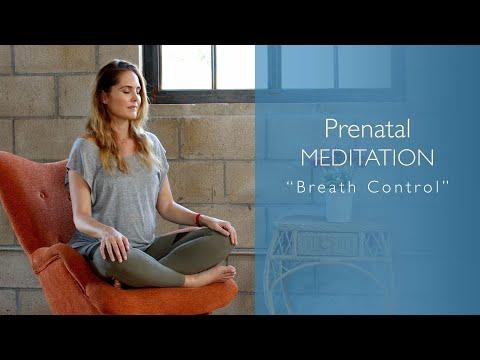
Mastering Breath Control: A Step-by-Step Guide for Meditators
Incorporating breath control into your meditation practice can be transformative, allowing you to unlock deeper levels of awareness and tranquility. By focusing on your breath, you can cultivate a sense of calm and presence that enhances your overall meditation experience. Breath control, or pranayama, is an ancient practice that can help regulate the flow of energy in the body and calm the mind.
- Awareness: Begin by simply observing your breath without attempting to change it. Notice the natural rhythm and depth, and how it feels as it enters and leaves your body.
- Consistency: Practice regularly to build a habit. Even a few minutes each day can make a significant difference in your meditation practice.
- Techniques: Experiment with different breathing techniques such as diaphragmatic breathing, alternate nostril breathing, or box breathing to find what resonates with you.
- Mindfulness: Use your breath as an anchor for mindfulness, helping to bring your attention back whenever your mind starts to wander.
By mastering these elements of breath control, you create a solid foundation for a more profound and fulfilling meditation practice, leading to enhanced mental clarity and emotional balance.
The Way Forward
As we draw our exploration of the power of breathing in meditation to a close, let us pause to acknowledge the profound simplicity that lies at the heart of this practice. Breathing, an act so innate and yet so often overlooked, serves as a gentle guide, inviting us to journey inward with each inhalation and exhalation. It is through this rhythmic dance of air that we discover the quiet strength and serenity that meditation offers. By embracing the breath, we unlock a pathway to deeper mindfulness, enhanced well-being, and a more harmonious connection with ourselves and the world around us. As you continue on your meditative journey, remember that your breath is not just a tool, but a steadfast companion, ever-present and ready to lead you towards a state of balance and tranquility.