In the fast-paced whirlwind of modern life, where ambition often reigns supreme, the ancient practice of meditation offers a serene counterbalance. As the world races towards ever-greater achievements, a quiet revolution is unfolding within the hearts of those who seek solace in stillness. This article delves into the intriguing interplay between meditation and the human psyche, exploring whether the pursuit of inner peace through meditation nurtures a sense of contentment that tempers our ambitions. Is the meditative journey a path to self-satisfaction, or does it coexist harmoniously with the relentless drive to achieve? Join us as we unravel the complex tapestry of contentment and ambition, guided by the timeless wisdom of meditation.
Balancing the Mind Understanding Meditations Role in Shaping Desires
In the intricate dance between contentment and ambition, meditation emerges as a subtle yet profound choreographer. It doesn’t demand a renunciation of desires, but rather, it offers a lens through which we can observe and understand them more clearly. By cultivating a state of mindfulness, individuals can learn to differentiate between fleeting wants and enduring aspirations. Meditation serves as a mirror, reflecting the true nature of our desires, allowing us to embrace those that resonate with our core values and gently releasing those that do not.
- Awareness: Meditation heightens our awareness, enabling us to perceive the underlying motivations behind our ambitions.
- Clarity: It brings clarity, helping us to align our goals with our authentic self.
- Acceptance: Through the practice, we cultivate a sense of acceptance, acknowledging that ambition and contentment are not mutually exclusive.
In this light, meditation becomes a tool for harmonizing ambition with contentment, guiding us toward a more balanced existence where both can coexist and flourish.

The Science of Serenity Exploring How Meditation Alters Ambition
In recent years, the practice of meditation has gained significant attention for its potential to foster a sense of inner peace. This ancient practice is often praised for its ability to cultivate mindfulness and emotional balance. But what about its impact on our drive to achieve? Some argue that meditation might shift one’s focus from relentless pursuit to a more balanced sense of well-being. Research suggests that meditation can indeed alter brain activity, particularly in areas associated with self-regulation and empathy. This shift may lead to a nuanced re-evaluation of personal goals, aligning ambition with deeper values rather than external pressures.
Key transformations that meditation can bring include:
- Enhanced self-awareness, allowing individuals to better understand their true desires.
- Increased emotional resilience, which may reduce stress-driven ambition.
- Greater appreciation for the present moment, potentially shifting priorities.
- Improved focus and clarity, which can lead to more strategic goal-setting.
Ultimately, meditation doesn’t necessarily diminish ambition; rather, it can redefine it, fostering a balance between aspiration and contentment. The practice encourages a reflection on what truly matters, possibly leading to a more fulfilling pursuit of goals.
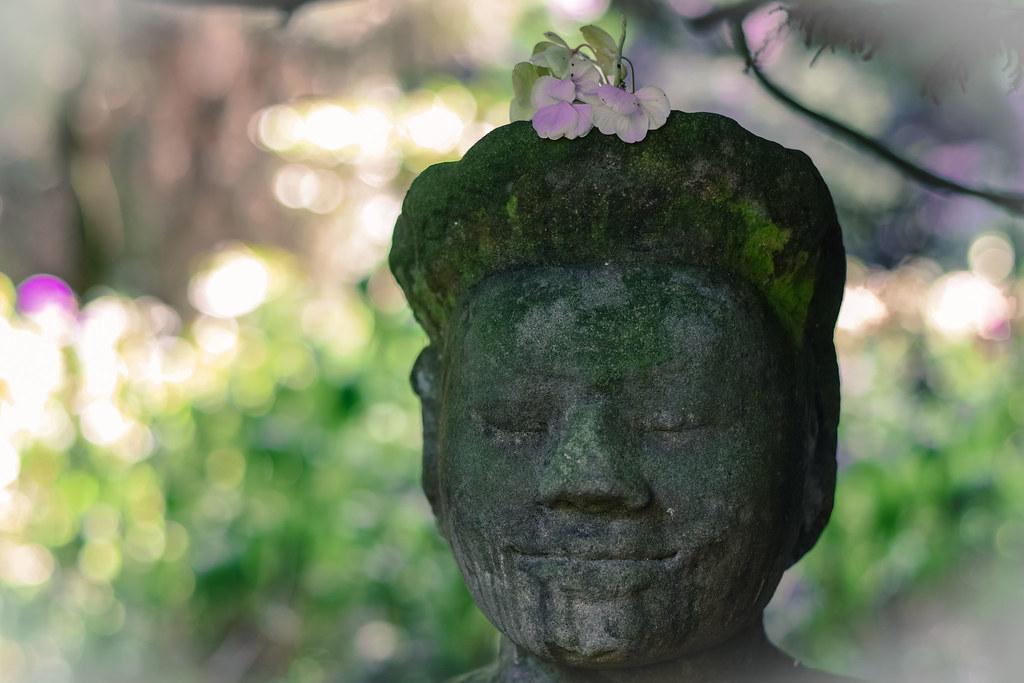
Pathways to Peace Recommendations for Harmonizing Contentment and Drive
In the pursuit of a harmonious balance between contentment and ambition, several recommendations can guide individuals towards achieving a peaceful coexistence of these seemingly opposing forces. Here are some pathways that offer practical steps and mindful practices:
- Integrate Mindfulness Practices: Regular mindfulness exercises, such as breathing techniques or guided meditations, can help cultivate a deeper awareness of one’s inner state. This awareness serves as a foundation for understanding and harmonizing the dual desires for peace and progress.
- Set Intentional Goals: When ambition is guided by clear, intentional goals that align with personal values, it becomes a tool for meaningful achievement rather than a source of stress. This approach nurtures a sense of fulfillment and reduces the conflict between striving and being.
- Embrace Imperfection: Accepting imperfection as a natural part of the journey can foster contentment. Recognizing that the path to achievement is not always linear allows for a more compassionate and less pressured pursuit of goals.
- Balance Action with Reflection: Allocate time for both action and reflection in your daily routine. This balanced approach encourages a reflective pause that can enhance decision-making and sustain motivation without overwhelming the spirit.
By incorporating these strategies, individuals can navigate the delicate dance between contentment and ambition, creating a life that is both purposeful and peaceful.

Cultivating Inner Calm Strategies for Integrating Meditation into Daily Life
In today’s fast-paced world, finding a balance between inner calm and external ambitions can be challenging. Meditation, a time-honored practice, offers a pathway to cultivate this balance. By integrating meditation into daily life, individuals can nurture a sense of contentment while maintaining their drive to achieve goals. Here are some strategies to seamlessly incorporate meditation into your routine:
- Set a Regular Time: Choose a specific time each day for meditation, whether it’s morning, midday, or evening. Consistency helps in forming a habit that becomes second nature.
- Create a Dedicated Space: Designate a quiet corner in your home as your meditation sanctuary. This space should be free from distractions and conducive to relaxation.
- Start Small: Begin with just a few minutes a day and gradually increase the duration as you become more comfortable with the practice.
- Use Guided Meditations: Leverage apps or online resources that offer guided sessions to help you focus and deepen your practice.
- Mindful Transitions: Integrate short meditative pauses between tasks to maintain a calm and focused mind throughout the day.
By embracing these strategies, meditation can become a valuable tool in fostering a harmonious balance between contentment and ambition, enriching both personal and professional aspects of life.
In Retrospect
As we draw the curtains on our exploration of whether meditation promotes contentment over ambition, it becomes clear that the answer is as nuanced as the practice itself. Meditation, with its gentle embrace, offers a sanctuary for the mind—a place where contentment can bloom amid the chaos of life’s demands. Yet, it does not necessarily eclipse ambition; rather, it invites a harmonious dance between being and becoming. The mindful path does not dictate a choice between these two forces but encourages an introspective journey to understand how they can coexist within us.
the impact of meditation on our lives may not be a simple matter of choosing contentment over ambition, but rather finding a balance that resonates with our individual aspirations and values. As we step away from this discussion, perhaps the most valuable takeaway is the invitation to explore this balance for ourselves. Whether it leads us to serene shores of contentment or fuels the fires of ambition, the journey of meditation is uniquely personal, offering a compass to navigate the intricate landscapes of our inner world.