In the bustling symphony of modern life, where the cacophony of daily stresses often drowns out the gentle whispers of inner peace, the ancient practice of meditation emerges as a harmonious counterpoint. It beckons with the promise of emotional equilibrium, offering a serene refuge from the stormy seas of anxiety, anger, and sadness. But how does this time-honored practice wield such transformative power over our emotional landscape? As we embark on this exploration, we will uncover the subtle yet profound ways in which meditation serves as a bridge to emotional balance, guiding us toward a state of mindful harmony where the mind finds its rhythm and the heart its peace.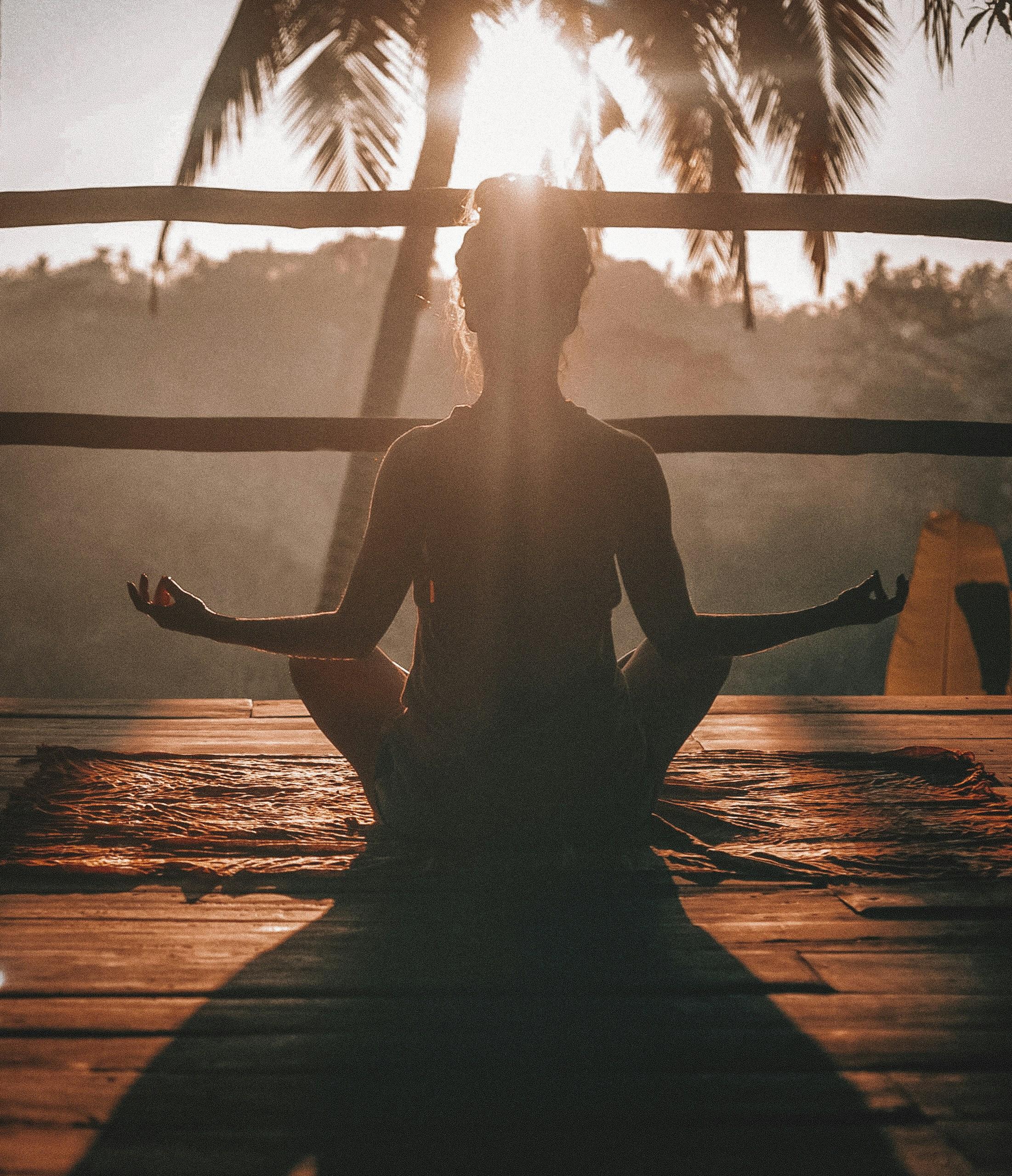
Understanding the Emotional Landscape Through Meditation
In the chaotic rhythm of daily life, meditation serves as a sanctuary, a place where one can retreat to explore and understand the complex tapestry of emotions. It provides a gentle yet powerful means of cultivating awareness, enabling us to navigate through feelings with clarity and poise. By fostering a connection between the mind and body, meditation enhances our ability to recognize emotions without becoming overwhelmed. This practice encourages a mindful observation, allowing emotions to flow naturally without judgment or resistance.
- Increased Awareness: Meditation sharpens our ability to perceive subtle emotional cues, aiding in better emotional regulation.
- Reduced Reactivity: With regular practice, we learn to pause before reacting, offering us the space to choose our responses thoughtfully.
- Emotional Resilience: The practice nurtures a resilience that empowers us to face emotional turbulence with a calm and balanced demeanor.
By integrating meditation into our lives, we embark on a journey of emotional exploration and healing, one that leads to a more harmonious existence.
The Science Behind Meditations Calming Effects
At the core of meditation’s ability to soothe the mind lies its impact on the brain’s structure and chemistry. When practiced regularly, meditation encourages the growth of gray matter in regions associated with emotional regulation and self-awareness. This transformation allows individuals to develop a more profound understanding of their emotions, fostering a sense of calm and stability. Furthermore, meditation reduces the activity in the amygdala, the brain’s fear center, which in turn diminishes the body’s stress response.
Several mechanisms contribute to these calming effects, including:
- Neuroplasticity: Meditation promotes changes in the brain’s neural pathways, enhancing the ability to process emotions more effectively.
- Reduction of cortisol levels: By lowering this stress hormone, meditation helps decrease anxiety and promotes relaxation.
- Increased production of serotonin: This neurotransmitter, often referred to as the “feel-good” chemical, is elevated, leading to improved mood and emotional balance.
Through these physiological changes, meditation acts as a powerful tool for achieving emotional equilibrium, paving the way for a more harmonious and centered life.

Techniques for Integrating Meditation into Daily Life
Incorporating meditation into everyday routines can be both simple and transformative, enabling individuals to maintain emotional equilibrium amidst the chaos of daily life. One effective technique is to start small and gradually build a consistent practice. Begin with just five minutes each morning; this can be achieved by setting a gentle alarm as a reminder. As familiarity with meditation grows, extend these sessions incrementally to create a sustainable habit. Another approach is to integrate meditation into existing activities, such as during a daily commute or while taking a walk. Focus on the breath, allowing each inhale and exhale to bring a sense of calm and presence.
For those with busy schedules, weaving meditation into the natural pauses of the day can be incredibly beneficial. Mindful moments can be practiced during mundane tasks like washing dishes or waiting in line, transforming these into opportunities for emotional reset. Creating a designated meditation space at home can also provide a sanctuary for reflection and balance. Personalize this space with calming elements like soft lighting, cushions, or plants to make it inviting and conducive to meditation. Lastly, consider using guided meditation apps or online resources, which offer structure and support, making it easier to integrate meditation into everyday life seamlessly.

Building Emotional Resilience with Consistent Practice
Developing emotional resilience is akin to building a muscle; it requires regular and mindful practice. Meditation serves as a profound tool in this journey, offering a structured space to explore and balance our emotional landscape. Through consistent meditation practice, individuals can learn to acknowledge their emotions without judgment, which in turn fosters a healthier relationship with their feelings. This process of non-judgmental observation allows emotions to flow naturally, reducing the tendency to suppress or overreact to them.
- Mindful Awareness: By focusing on the present moment, meditation enhances awareness, helping individuals recognize emotional triggers and patterns.
- Emotional Regulation: Regular practice can lead to improved emotional regulation, making it easier to respond to stressors calmly and effectively.
- Inner Peace: Meditation cultivates a sense of inner peace, providing a sanctuary from the chaos of daily life.
- Increased Empathy: It nurtures empathy and compassion, not only towards others but also towards oneself, fostering a nurturing internal dialogue.
Key Takeaways
As we draw our exploration of meditation and its profound impact on emotional balance to a close, it’s clear that this ancient practice offers more than just a momentary escape from the chaos of modern life. It serves as a bridge, connecting us to a deeper understanding of our emotional landscapes and equipping us with the tools to navigate them with grace and resilience. By dedicating even a few minutes each day to mindfulness, we invite a ripple effect of calmness, clarity, and compassion into our lives. Whether you are a seasoned meditator or a curious beginner, remember that the journey to emotional equilibrium is a personal and ongoing one. Embrace the process, and let each breath guide you closer to a harmonious state of being.