In an era dominated by the relentless hum of technology and the ceaseless pursuit of progress, the ancient art of meditation stands as a silent sentinel from the past, whispering promises of peace and introspection. As the world spins ever faster, one might wonder if these age-old practices, born in the quietude of bygone eras, hold any significance in the cacophony of modern life. Are the meditative techniques of ancient sages still relevant to the digitally tethered individual, or have they become relics of a simpler time? This exploration delves into the timeless wisdom of meditation, examining its enduring presence and potential to offer solace amidst the swirling chaos of contemporary existence.
Rediscovering Ancient Wisdom in Modern Meditation
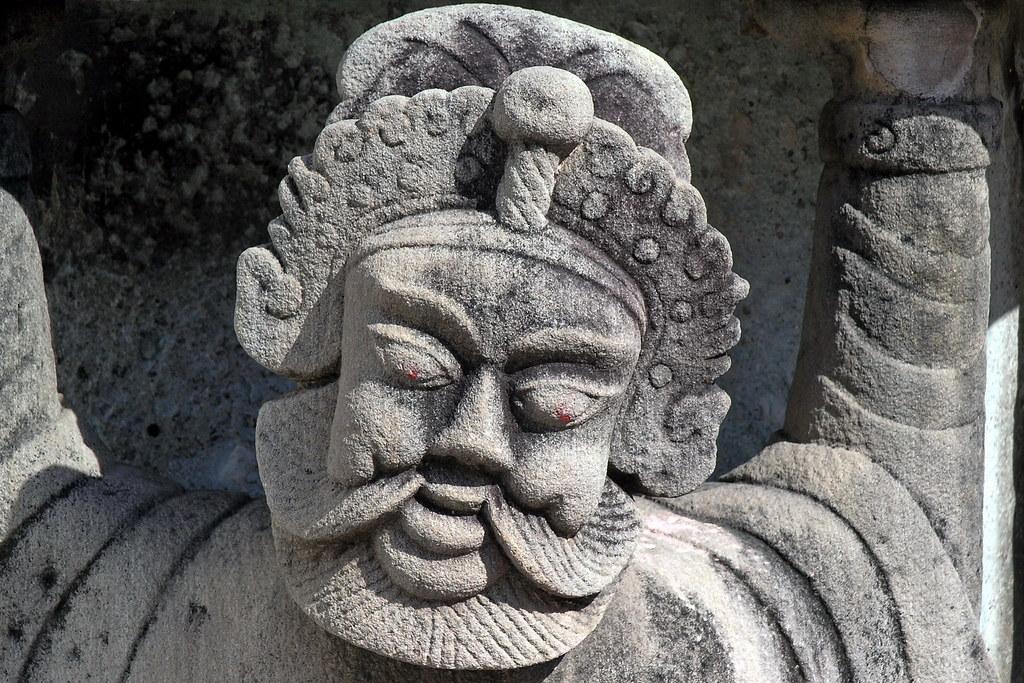
In a world brimming with technological advancements and rapid change, it’s intriguing to observe a return to ancient meditation practices, which hold timeless wisdom. These practices, rooted in traditions spanning thousands of years, offer profound insights into cultivating inner peace and resilience. Ancient meditation techniques like Zen, Vipassana, and Transcendental Meditation have gained renewed interest, not merely as spiritual pursuits but as methods to navigate modern life’s complexities. They emphasize mindfulness, a concept now embraced in therapeutic and corporate settings alike, underscoring their enduring relevance.
- Zen Meditation: Encourages a state of calm awareness, focusing on the present moment.
- Vipassana: Aims to transform through self-observation, fostering a deeper understanding of mind-body connections.
- Transcendental Meditation: Utilizes mantras to transcend ordinary thought processes, promoting relaxation and stress reduction.
These ancient practices, with their simple yet profound approaches, resonate with contemporary seekers of mental clarity and emotional balance. By integrating these age-old techniques into daily routines, individuals discover a pathway to not only manage stress but also enhance their overall well-being.
Unveiling the Benefits of Time-Tested Techniques
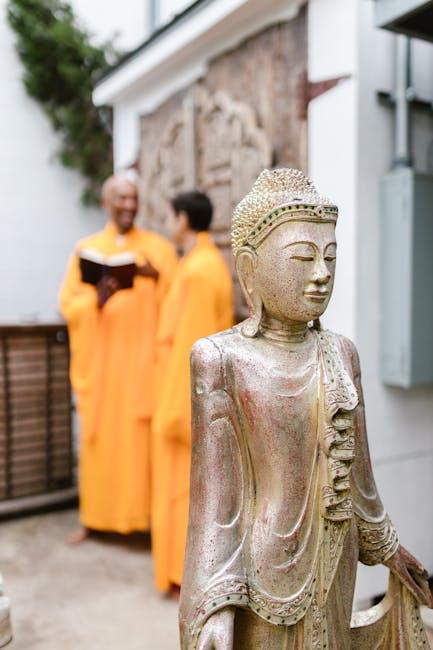
In our fast-paced, modern world, ancient meditation practices offer a serene sanctuary, providing a bridge between past wisdom and present needs. These age-old techniques, steeped in tradition, have been honed over centuries to cultivate mental clarity and emotional resilience. Today, they serve as a vital tool for navigating the complexities of contemporary life. Mindfulness meditation, for instance, fosters a profound awareness of the present moment, helping individuals manage stress and enhance concentration. Transcendental meditation offers a simple yet powerful method for achieving deep relaxation and inner peace, without the need for extensive training.
- Emotional Balance: Ancient practices aid in stabilizing emotions, providing a foundation for emotional intelligence.
- Improved Focus: Techniques like mantra meditation can enhance cognitive function and improve attention span.
- Stress Reduction: Regular practice has been shown to lower cortisol levels, the hormone associated with stress.
- Spiritual Connection: These practices often foster a deeper connection to one’s inner self and the universe.
While the world around us continues to evolve, the core benefits of these meditation practices remain remarkably relevant. They offer timeless solutions to modern challenges, inviting us to embrace a harmonious balance between the ancient and the contemporary.
Adapting Age-Old Practices for Contemporary Life
In our fast-paced, technology-driven world, the ancient art of meditation has found a surprising resurgence, blending timeless wisdom with modern lifestyles. The essence of these practices—mindfulness, self-awareness, and inner peace—remains as relevant today as it was centuries ago. Yet, the way we engage with these practices has evolved, allowing for a more flexible integration into our daily routines. For instance, while traditional meditation might have required hours of dedication, today, many people incorporate brief, mindful moments throughout their day, often aided by smartphone apps or online guided sessions.
- Mindfulness apps that offer guided sessions tailored to modern schedules.
- Virtual meditation groups fostering a sense of community and shared experience.
- Workplace wellness programs incorporating short meditation breaks.
These adaptations not only make meditation more accessible but also allow individuals to tailor their practice to their personal needs, thus maintaining the core benefits while fitting seamlessly into a contemporary lifestyle. The fusion of age-old practices with modern technology underscores the enduring relevance of meditation, proving that while times may change, the quest for inner peace remains a constant.
Integrating Tradition with Todays Mindfulness Approaches
In the hustle and bustle of modern life, the ancient art of meditation offers a sanctuary of calm. Today’s mindfulness approaches often draw from time-tested traditions, weaving them into practices that resonate with contemporary seekers. While modern techniques emphasize the science of brain waves and the benefits of focused attention, traditional meditation practices provide a foundation rooted in spiritual and philosophical wisdom. This fusion creates a holistic approach to mindfulness that is both timeless and timely.
- Zen Meditation: This ancient practice focuses on seated meditation, emphasizing posture and breathing to cultivate inner peace.
- Vipassana: Often referred to as insight meditation, it encourages practitioners to observe their thoughts and emotions without judgment.
- Transcendental Meditation: A mantra-based practice that seeks to settle the mind into a state of profound rest.
By integrating these ancient methods with modern mindfulness, individuals can tap into a rich tapestry of experiences, gaining insights that transcend cultural and temporal boundaries. This harmonious blend allows for a deeper understanding of the self and fosters a sense of connection to the world, making ancient practices incredibly relevant in today’s quest for mental clarity and well-being.
In Conclusion
As we draw the curtain on this exploration of ancient meditation practices, it becomes evident that their resonance in our modern lives is as profound as it is complex. These age-old traditions, steeped in wisdom and cultivated over millennia, invite us to pause and reflect amidst the whirlwind of contemporary existence. Whether one seeks tranquility, clarity, or a deeper connection with oneself, these practices offer a timeless sanctuary.
Yet, the relevance of these ancient rituals is not a given; it is a personal journey of discovery and adaptation. As we navigate the challenges of the 21st century, the question remains not whether these practices hold relevance, but rather how we choose to integrate their teachings into the tapestry of our daily lives. the enduring legacy of ancient meditation is a testament to the human quest for inner peace—a quest that transcends time, culture, and circumstance. As we move forward, may we carry with us the gentle whisper of ancient wisdom, guiding us towards a harmonious balance between the past and the present.