In the quiet corners of a bustling world, where the clamor of modern life meets the whispers of ancient practices, meditation has emerged as a beacon of calm and clarity. Once confined to the serene monasteries of the East, this age-old practice has transcended geographical and cultural boundaries, evolving into a global phenomenon that resonates with millions. As digital devices buzz incessantly and the pace of life quickens, individuals from all walks of life are turning inward, seeking solace and insight through meditation. This article delves into the fascinating journey of how meditation, with its roots deeply embedded in history, has woven itself into the fabric of contemporary society, offering a universal path to peace and mindfulness.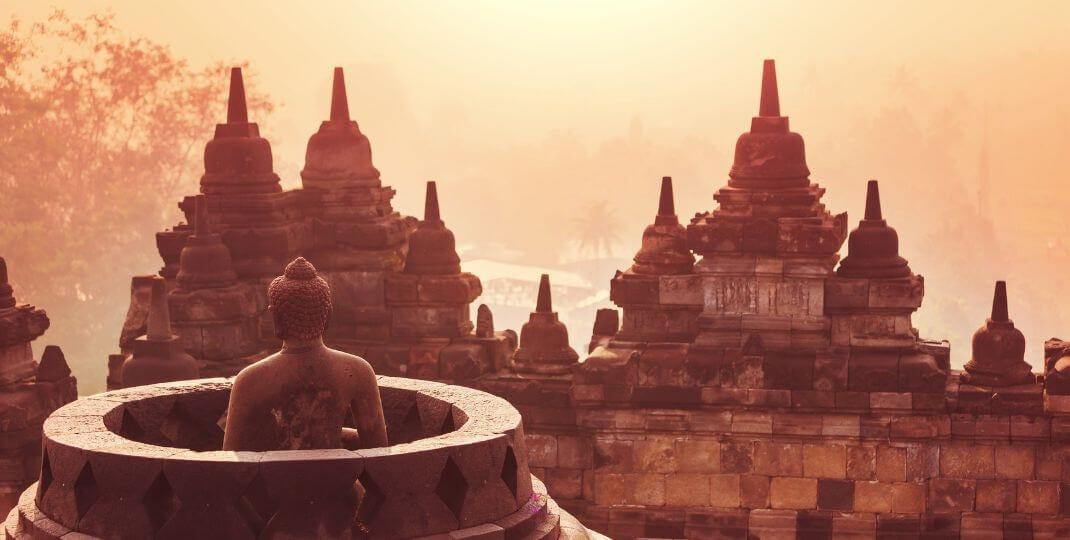
Origins of Inner Peace Exploring Meditations Ancient Roots
The practice of meditation has its roots deeply embedded in ancient cultures and traditions, each contributing a unique tapestry of techniques and philosophies. From the serene landscapes of India, where yogis first delved into the art of mindfulness, to the tranquil monasteries of ancient China, meditation has been a cornerstone of spiritual and mental well-being. In India, the practice was primarily linked with the spiritual journey of attaining moksha, or liberation, as outlined in the ancient texts of the Vedas and Upanishads. Meanwhile, in China, Taoist and Buddhist influences shaped meditation as a path to achieving harmony and balance with the natural world.
Key elements that have transcended time and geography include:
- Mindfulness: Cultivating awareness of the present moment, often through breath-focused exercises.
- Chanting and Mantras: Repetition of sacred sounds or phrases to focus the mind and elevate spiritual energy.
- Visualization: Engaging the mind’s eye to imagine serene scenes or divine figures to foster peace and insight.
These age-old practices have laid the groundwork for modern meditation techniques, allowing the art to evolve and adapt, making it accessible to people from all walks of life across the globe.

Cultural Crossroads How Meditation Spread Across Continents
As meditation transcended its Eastern origins, it found a home in diverse cultures across the globe, weaving itself into the fabric of societies in unique and profound ways. The journey of meditation from ancient India to the rest of the world is a tale of cultural exchange, adaptation, and mutual enrichment. In the West, meditation was initially embraced as a tool for relaxation and stress reduction, leading to its integration into wellness programs, corporate environments, and even schools. Meanwhile, in Africa, traditional practices blended with meditation techniques, creating a fusion that resonates deeply with indigenous spiritual beliefs.
Key factors that facilitated this global spread include:
- The rise of global travel: Pilgrims, traders, and explorers carried meditation techniques across continents, sharing insights and practices.
- The digital revolution: The internet and social media have democratized access to meditation resources, making it easier for people worldwide to learn and practice.
- Scientific validation: Research demonstrating the health benefits of meditation has bolstered its popularity, making it an appealing option for those seeking holistic wellness.
Each culture has added its own flavor to the practice, creating a rich tapestry of meditation traditions that continue to evolve and inspire.
Scientific Validation The Role of Research in Meditations Popularity
The surge in meditation’s global popularity is not merely a cultural trend but is deeply rooted in scientific research that has illuminated its myriad benefits. Over the past few decades, an increasing number of studies have explored the effects of meditation on the human mind and body, providing a solid foundation for its integration into mainstream wellness practices. Researchers have identified several key areas where meditation has demonstrated substantial benefits:
- Mental Health: Studies have shown that regular meditation can significantly reduce symptoms of anxiety, depression, and stress, enhancing overall emotional well-being.
- Cognitive Function: Evidence suggests improvements in attention, memory, and even creativity, attributed to the regular practice of meditation.
- Physical Health: Research indicates potential benefits such as lower blood pressure, improved immune response, and even enhanced pain management.
The credibility provided by these scientific findings has played a crucial role in meditation’s acceptance and adoption worldwide. As more individuals experience these benefits firsthand, meditation continues to transcend cultural boundaries, becoming a cornerstone of personal development and holistic health.
Incorporating Meditation Practical Tips for Daily Practice
Bringing meditation into your daily routine doesn’t have to be daunting. Here are some practical tips to seamlessly integrate this practice into your life:
- Start Small: Begin with just 5 minutes a day. Gradually increase the duration as you become more comfortable.
- Consistency is Key: Choose a specific time each day for meditation to create a habit. Morning or evening works well for many.
- Create a Dedicated Space: Set aside a quiet corner in your home where you can meditate without distractions.
- Use Guided Sessions: Apps and online resources offer guided meditations, which can be particularly helpful for beginners.
- Focus on Breathing: Concentrating on your breath can help anchor your mind and enhance your meditation experience.
Remember, meditation is a personal journey. Feel free to adjust these tips to fit your lifestyle, ensuring the practice remains enjoyable and beneficial.
To Wrap It Up
As the sun sets on the sprawling journey of meditation’s rise from ancient practice to global phenomenon, we find ourselves at a unique crossroads. This timeless art of stillness, once nestled in the quiet corners of monasteries and temples, now pulses through the veins of our modern world, transcending cultural and geographical boundaries. Its universal appeal lies in its simplicity and profound impact, offering a sanctuary of calm in the midst of life’s relentless pace. As we close this exploration, we are reminded that meditation is more than a trend; it is a testament to our shared human desire for peace and clarity. In embracing this ancient practice, we not only connect with ourselves but also weave a tapestry of mindfulness that spans continents and cultures, inviting each of us to pause, breathe, and reflect on the deeper currents that unite us all.